
Hormones, Explained - Perimenopause 101
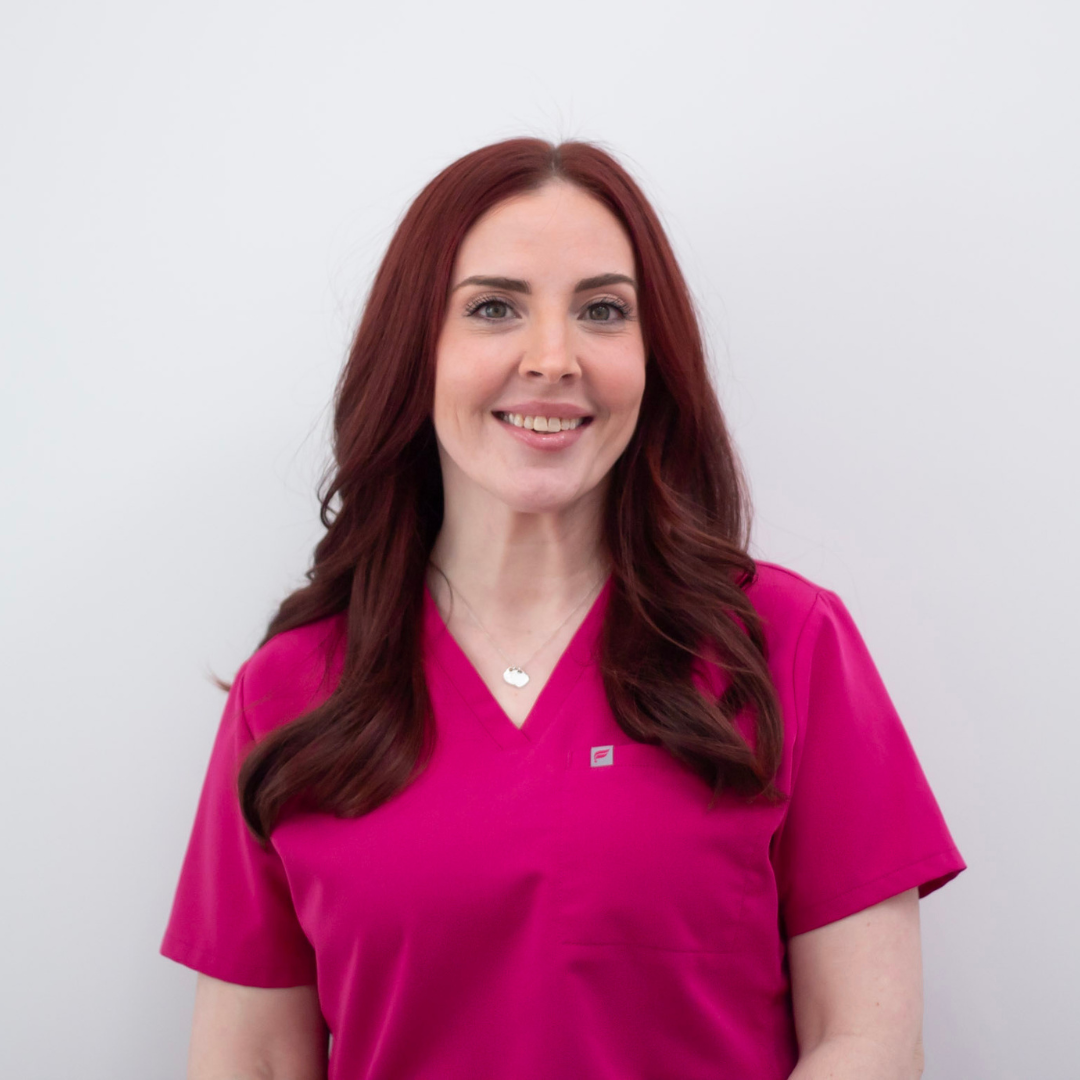
We all got the period talk. We know menopause exists. But perimenopause? That seems to be the chapter a surprising number of us are expected to figure out on our own.
Why Don’t We Talk About This?
Ask your mom what her first period was like and there’s a decent chance she remembers. Ask her when perimenopause started, and the answer might be a little less clear. Maybe it wasn’t called perimenopause. Maybe nobody explained it to her either. Maybe she just remembers that her periods got weird, she stopped sleeping, and eventually her period stopped.
But the silence around this is so real.
For such a universal part of women’s health, the transition to menopause has spent a remarkably long time being treated like a private milestone women were supposed to figure out and move on from. And perimenopause—the years surrounding that final period—has somehow been even easier to leave out of the conversation.
Recent research suggests that confusion is still very much with us. In a 2026 study of more than 7,600 U.S. women ages 35 and older, about one-third reported being unsure of their reproductive stage.
Which is strange when you think about it.
We prepare girls for puberty. We talk about periods. Pregnancy has books, apps, classes, podcasts, weekly fruit-size comparisons and approximately nine million internet forums.
Then another major hormonal transition arrives and we’re like:
Good luck, ladies. Hope you’ve heard of estrogen.
That doesn’t make much sense to me.
And the more I learn about women’s health, the more interested I become
in the conversations so many of us are never really having.
So let’s have them.
Before we get into hormones, lab work, treatment options or everything the internet would currently like to tell you about menopause, I think we should start with a much simpler question:
What actually is perimenopause?
First: Perimenopause Is Not Menopause
The words get tossed around together, but they don’t mean exactly the same thing.
Perimenopause is the transition surrounding the final menstrual period. During this time, ovarian hormone production and ovulation become less predictable, and changes in menstrual cycles are common. Menopause itself is established after 12 consecutive months without a menstrual period.
Which brings us to one of the first misconceptions worth clearing up:
You can still have your period and be in perimenopause.
And this may be where some of the confusion starts.
When we picture “menopause,” we tend to picture the things we’ve always associated with it—hot flashes, night sweats, sleep changes, mood changes—and then, eventually, your period stops.
But many of those changes can actually begin during perimenopause, while you’re still getting a period.
Menopause technically refers to the point reached after 12 consecutive months without a menstrual period. Those years of changing cycles and symptoms leading up to that point? That’s the part many of us have been calling menopause when we were actually talking about perimenopause.
In fact, changes to your period are characteristic of the transition. Cycles may become shorter or longer. Bleeding may become heavier or lighter. You may eventually begin skipping periods.
And because there isn’t one universal perimenopause experience, your best friend’s version doesn’t necessarily have to look anything like yours.
The transition may be universal, but the experience is individual.
Think of it less like flipping a switch and more like entering a transition.
And No, It Isn’t Just Hot Flashes
Hot flashes and night sweats may be the most recognizable symptoms, but they’re far from the entire plot.
Sleep disruption, mood changes, difficulty concentrating or “brain fog,” menstrual changes, vaginal and urinary symptoms and other changes can occur during the menopause transition. Symptoms—and how much they affect daily life—can vary considerably from one woman to another.
Interestingly, a 2026 international study found a disconnect between the perimenopause symptoms women most readily recognized and those participants most commonly reported experiencing. Hot flashes were the most widely recognized symptom, while fatigue, physical and mental exhaustion, irritability and sleep problems were among the most frequently reported.
And I think that helps explain some of the Wait…could this be perimenopause? conversations happening right now.
It also doesn’t mean every sleepless night, forgotten word or bad mood should immediately be blamed on your hormones. Symptoms associated with perimenopause can overlap with other health conditions, which is one of the reasons an individualized conversation with a healthcare provider matters.
The goal isn’t to turn perimenopause into the answer to everything.
It’s to finally understand enough about it to ask better questions.
So When Does It Start?
There isn’t a birthday when your body sends a calendar invitation titled Perimenopause: 7:00 PM. Don’t be late.
It commonly begins in the 40s, although timing varies, and the transition can last for years.
That variability is part of why this conversation deserves more nuance than a symptom checklist on social media.
Your experience may not look like your mom’s. Or your sister’s. Or your friend’s. And maybe that's another reason we need to start talking about it more openly instead of waiting until someone is in the middle of it to explain what it is.
Why I’m Making Room for This Conversation
Women’s health and hormone education have increasingly become part of the conversations happening around me professionally. And the more I’ve learned, the more I’ve realized how much confusion exists around terminology we hear all the time.
Perimenopause. Menopause. Estrogen. Progesterone. Testosterone. Hormone therapy. Bioidentical hormones.
We hear the words. Understanding what they actually mean is another story.
Patient education has always been one of my favorite parts of what I do. I believe you should be able to understand what’s happening in your body, why certain questions are being asked and what questions you may want to ask in return.
And maybe we can do something a little differently than the generations before us.
We can actually talk about it.
Not in whispers. Not only once symptoms become impossible to ignore. And not as though menopause is an uncomfortable little secret women are supposed to graduate into alone.
So I’m making room for a new conversation here.
Hormones, Explained.
We’ll start with the basics. We’ll unpack the confusing terminology, clear up common misconceptions and eventually work our way into the bigger conversations surrounding hormone health, testing and treatment options.
No assuming you already know.
No turning every symptom into a hormone problem.
No medical-degree-required language.
Just good information, explained clearly—so you can become more curious about your health, understand your body a little better and feel more informed walking into conversations with your healthcare provider.
Because if generations of women have experienced this transition, maybe it’s time we stopped treating it like something each generation has to discover for itself.
The more we talk about women’s health, the less mysterious it becomes.
And if this is part of being a woman, understanding it shouldn’t feel like discovering a secret.
Kelly Skierski
Medical Aesthetician | Educator


Comments